
Overview
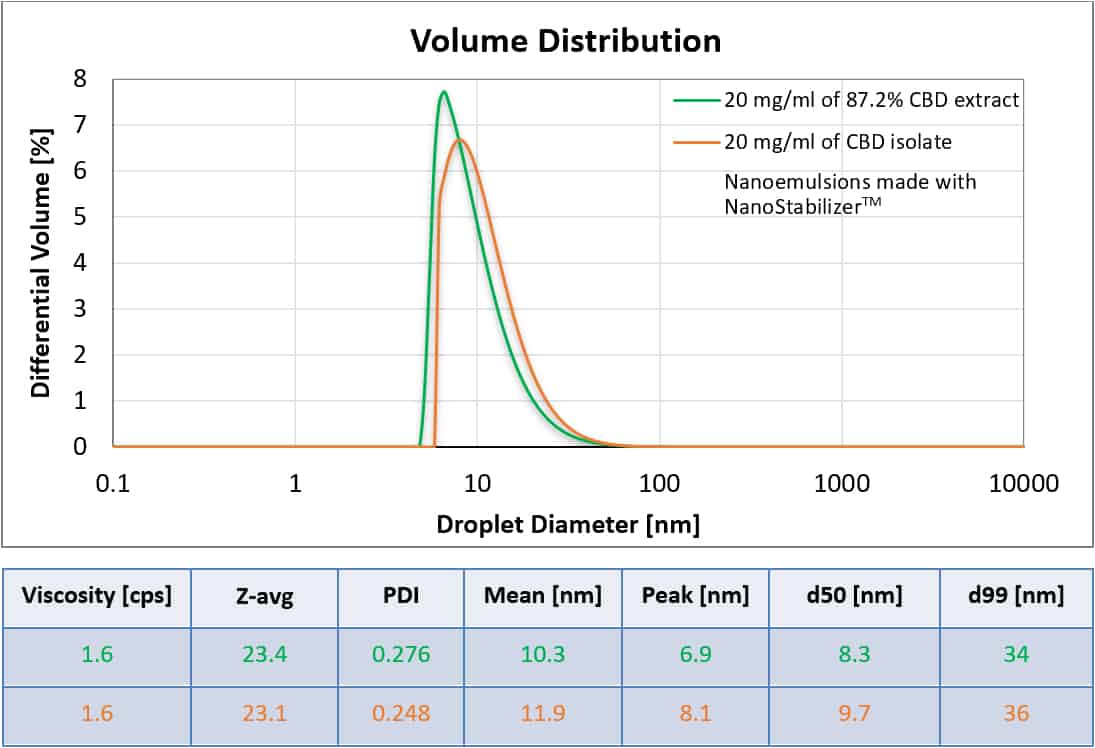
Case Studies & Application Reports


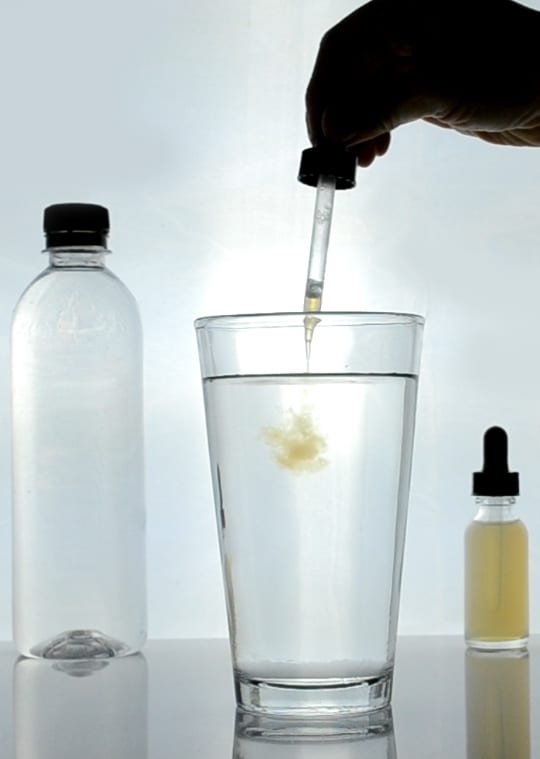

Blog Posts
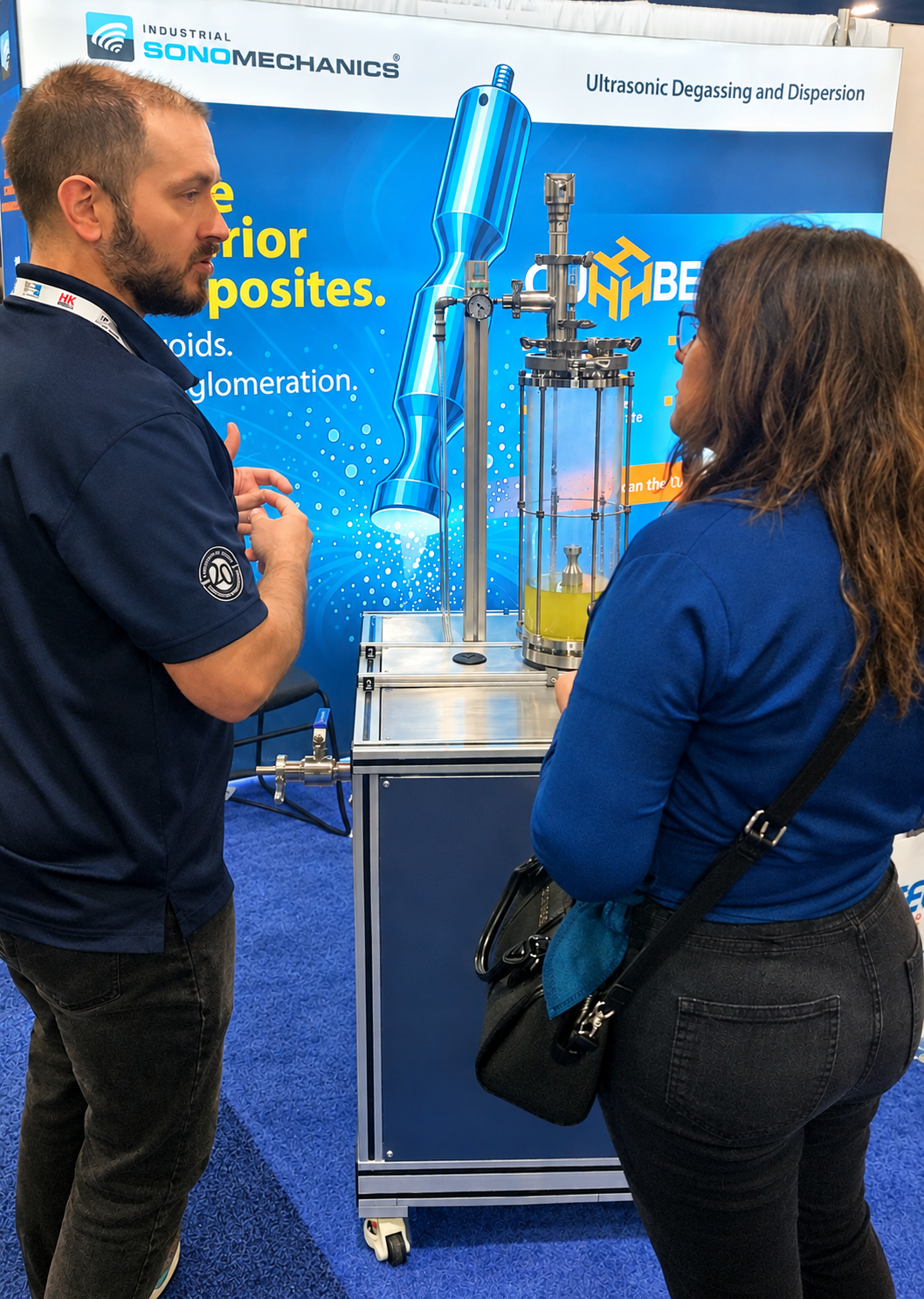
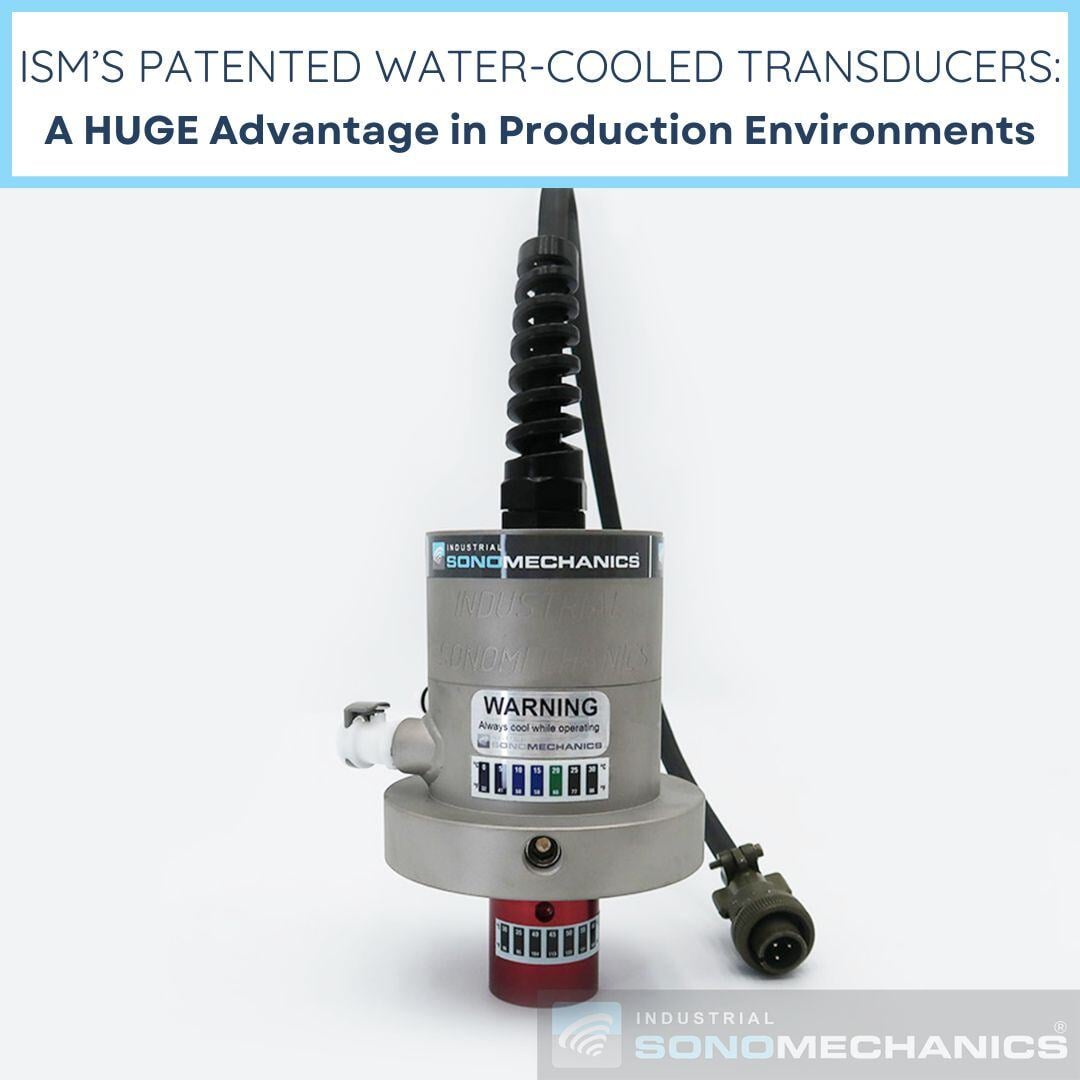
Customer Testimonials
Khara Cartagena, Cannabis and Hemp Productions May 2016
Videos
- ISM’s Barbell Horn® Ultrasonic Technology Introduction and How We Scale Up
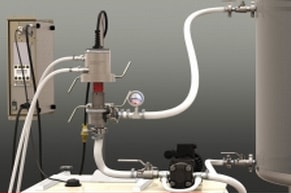


- Translucent Nanoemulsion Produced with LSP-600 and BSP-1200 in the Batch Mode
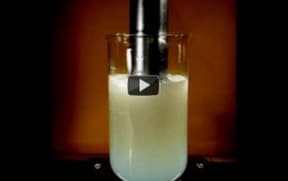
- Making a Translucent Nanoemulsion with ISP-3000 in the Flow-Through Mode
Ebooks
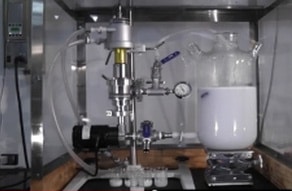
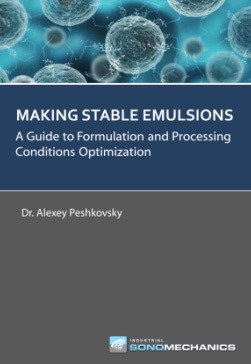
- MAKING STABLE EMULSIONS A Guide to Formulation and Processing Conditions Optimization
FAQs
- Ultrasonic Emulsification FAQ’S
Frequently Asked Questions
What is nanoemulsification?
Nanoemulsification is the process of creating nanoemulsions — ultra-fine oil-in-water or water-in-oil emulsions with droplet sizes typically below 500 nanometers. It requires high-energy input methods such as high-intensity ultrasonication to generate the shear forces needed to break oil droplets down to the nanoscale. ISM’s patented Barbell Horn® Ultrasonic Technology (BHUT) delivers the high acoustic cavitation intensities required for efficient, reproducible nanoemulsification at any operational scale.
How does ultrasonic nanoemulsion production work?
Ultrasonic nanoemulsion production uses high-frequency sound waves to generate intense acoustic cavitation in a liquid mixture of oil, water, and surfactant. The cavitation produces microscopic bubble implosions that create extreme localized shear forces, breaking the oil phase into nanoscale droplets (typically 10–500 nm). ISM’s ultrasonic processors deliver these forces at amplitudes high enough for industrial-scale nanoemulsification — not just laboratory use.
What industries use nanoemulsions produced with ISM equipment?
ISM’s ultrasonic processors are used for nanoemulsion production across pharmaceutical (drug delivery, parenteral nutrition), medical cannabis (water-soluble CBD and THC), nutraceutical (vitamins, botanical extracts), cosmetic and dermatological (topical creams, serums), food and beverage (flavor encapsulation, fortified drinks), and industrial applications (paints, coatings, pesticides, adhesives).
Can ISM ultrasonic processors scale nanoemulsion production from lab to industrial volumes?
Yes. ISM’s patented Barbell Horn® Ultrasonic Technology (BHUT) maintains the same high ultrasonic amplitudes and processing conditions at every scale — from the LSP-600 (lab, 15 mL–2 L) to the BSP-1200 (bench, 500 mL–unlimited) to the ISP-3600 (industrial, 1 L–unlimited). Any nanoemulsion formulation developed at lab scale transfers directly to production without re-optimization or loss of product quality.
What is the advantage of ultrasonic nanoemulsification over other methods?
Compared to high-pressure homogenization, and low-energy methods (phase inversion, spontaneous emulsification), ultrasonic nanoemulsification with ISM’s BHUT-based processors offers several advantages: lower surfactant concentrations required, simpler processing procedures, direct scalability from lab to industrial production, continuous in-line or batch operation, precise temperature control, and the ability to process high-viscosity and high-solids-content formulations that challenge other methods.