Overview
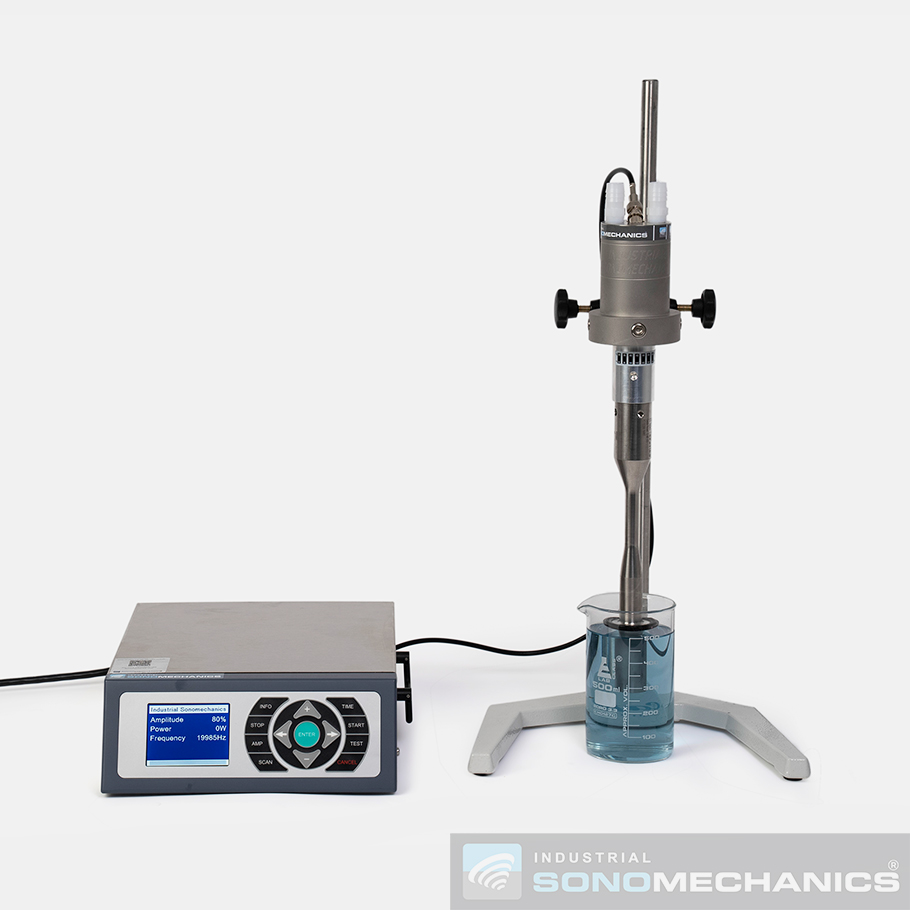
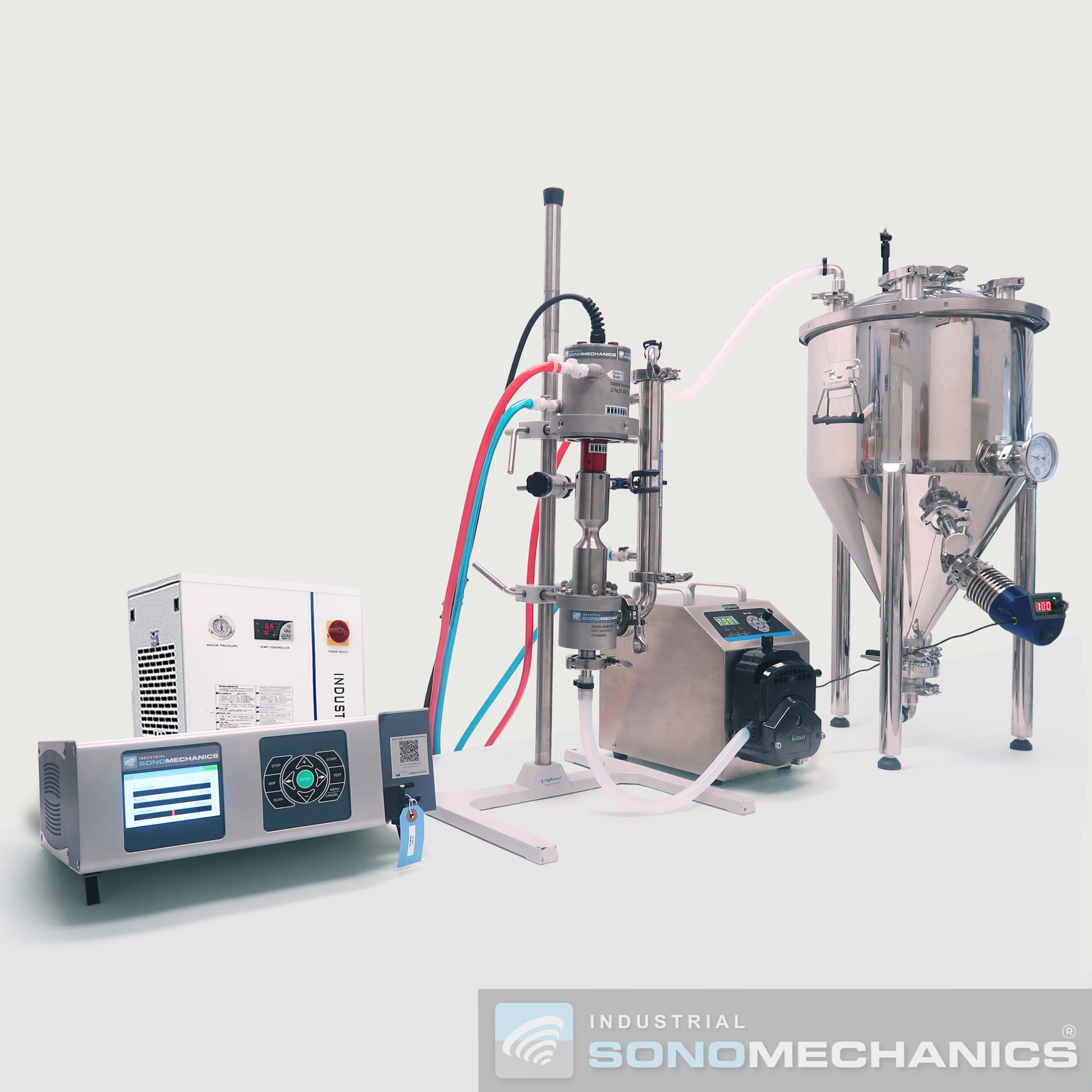
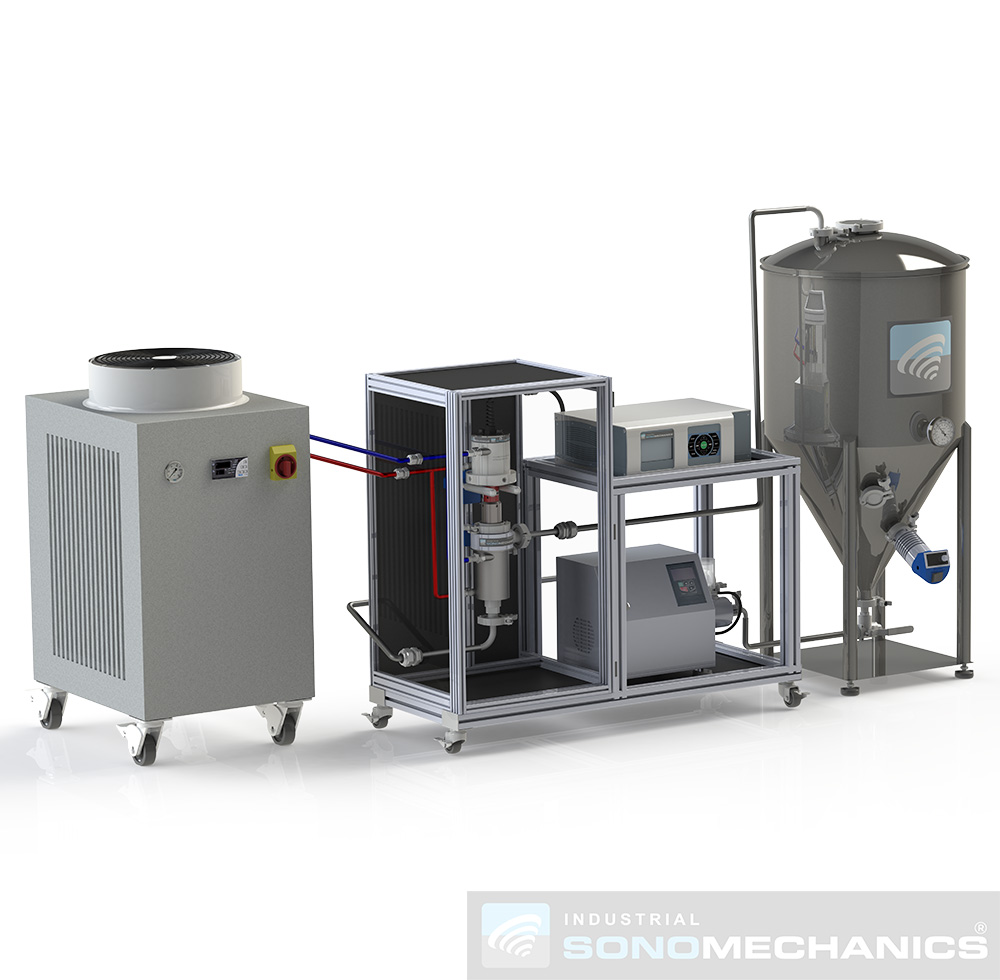
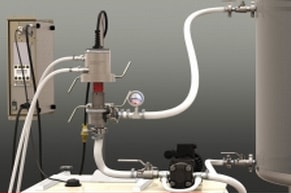
The main advantage of Industrial Sonomechanics® ultrasonic processors for this application is the ability of our patented Barbell Horns® to generate very high ultrasonic amplitudes at any scale of operation (unlike conventional high-amplitude ultrasonic horns, which are restricted to the laboratory scale only). Since our processors can be configured in both batch and flow-through modes, they can handle anywhere from a few milliliters to many hundreds of liters of slurry at a time. Our reactor chambers (flow cells) are designed without narrow gaps or capillaries, eliminating clogging that is common with some alternative approaches. For biomass slurries with a strong tendency to settle out of the solvent, we offer a flow-through processor configuration with an incorporated in-line high-shear mixing pump.
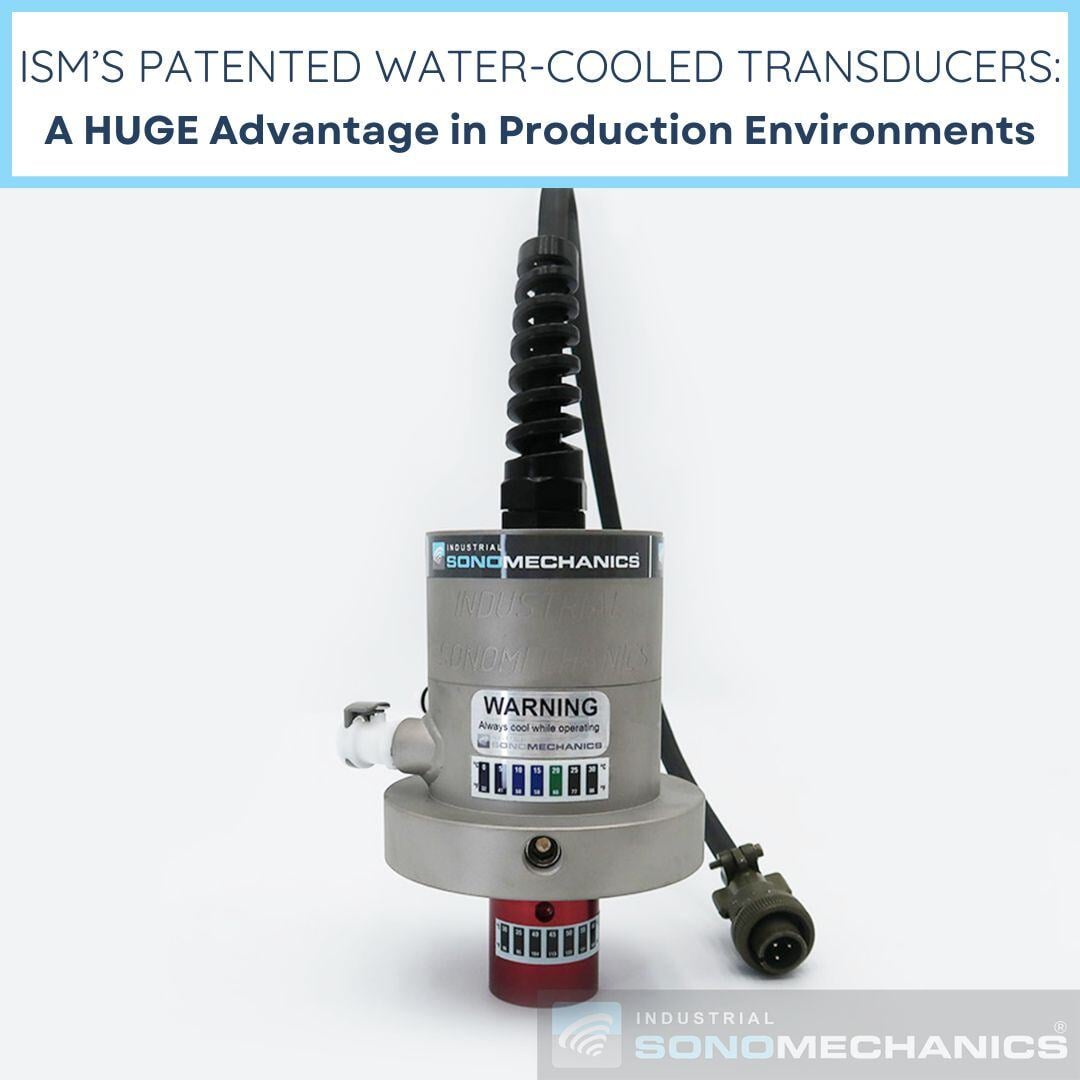
All Industrial Sonomechanics® units provide precise temperature control, making it possible to extract heat-sensitive substances. Our bench and industrial-scale processors utilize patented fully sealed water-cooled transducers and can, therefore, work with flammable organic solvents. However, since high-amplitude ultrasound is able to greatly intensify the efficiency of extraction, it is often possible to replace harsh organic solvents with milder, greener and more economical food-grade alternatives, such as ethanol or water, and still achieve superior results.

Case Studies & Application Reports
Blog Posts

Customer Testimonials
Dominic Notter, Matrix of Life
Videos
- Ultrasonic Extractor Pro-Lite — Semi-Automated Extraction of Natural Bioactives



- Algae Oil Extraction Using High-Intensity Ultrasound
- ISM’s Barbell Horn® Ultrasonic Technology Introduction and How We Scale Up
Ebooks
- MAKING STABLE EMULSIONS A Guide to Formulation and Processing Conditions Optimization

FAQs
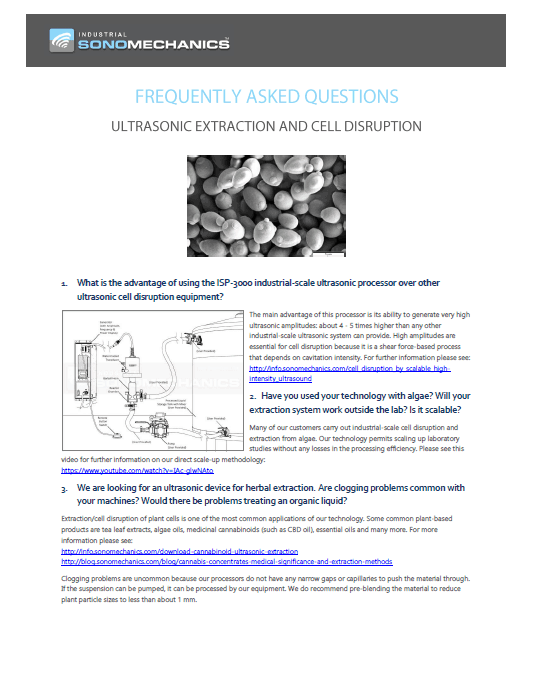
- Ultrasonic Cell Disruption (Lysis) and Extraction FAQ’S
Frequently Asked Questions
What is ultrasonic cell disruption?
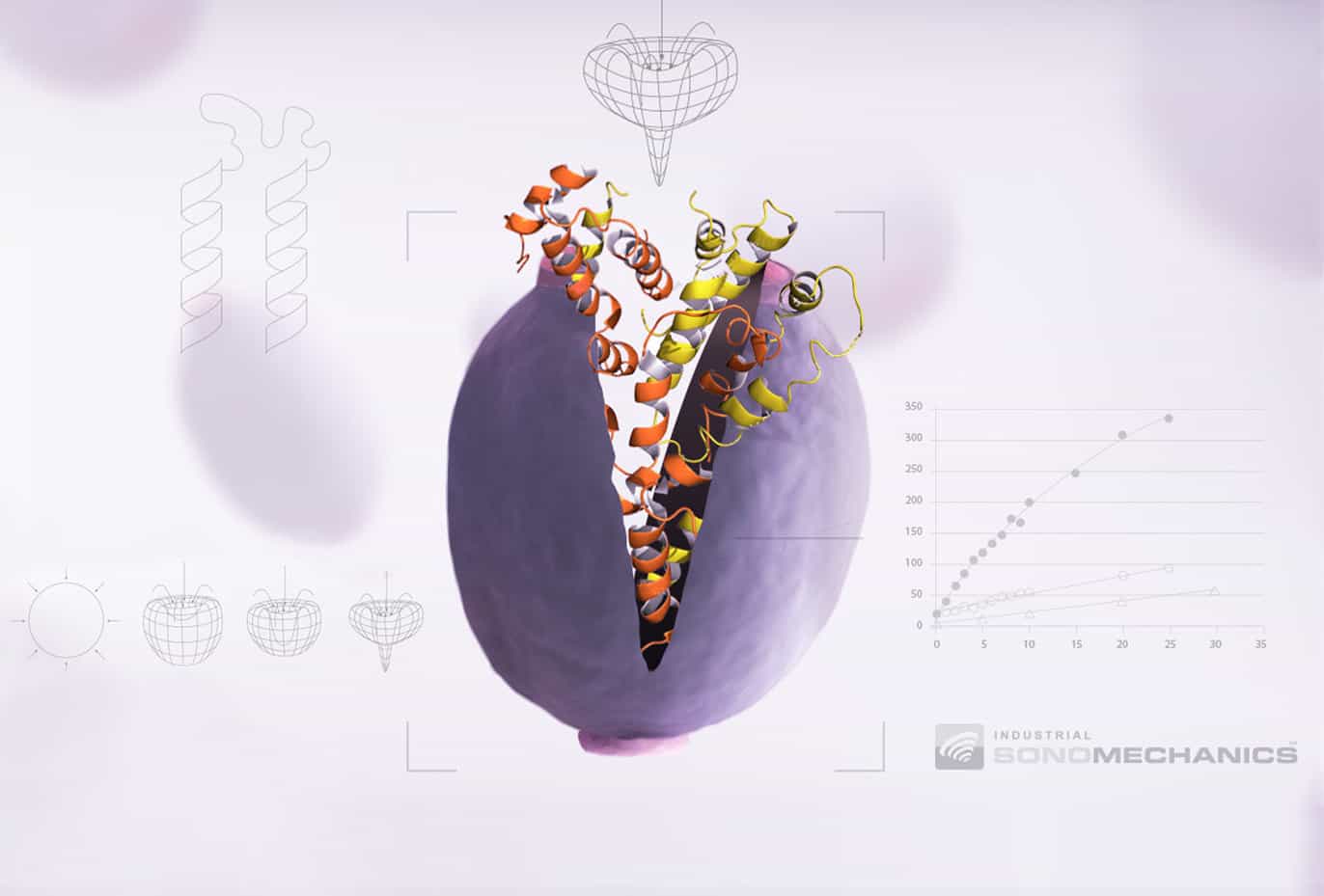
Ultrasonic cell disruption (also called ultrasonic cell lysis or sonication) is a process that uses high-intensity acoustic cavitation to break open the cell walls and membranes of plants, mushrooms, and microorganisms, releasing their intracellular contents into a surrounding solvent. It is widely regarded as the gold standard extraction method due to its simplicity, speed, and superior efficiency compared to conventional techniques such as maceration, Soxhlet extraction, or bead milling.
What substances can be extracted using ISM's ultrasonic cell disruptors?
ISM’s ultrasonic cell disruption equipment is used to extract a wide range of bioactive compounds, including cannabinoids (CBD, THC), alkaloids (kratom, caffeine), terpenes, polyphenols, antioxidants, recombinant proteins, enzymes, algae oils, beta-glucans from mushrooms, and many other intracellular products — from plant biomass, fungal material, yeast, bacteria, and microalgae.
What solvents are compatible with ISM ultrasonic cell disruption equipment?
ISM ultrasonic processors are compatible with a wide range of solvents, including ethanol, water, methanol, hexane, and food-grade alternatives. Because high-intensity ultrasound greatly intensifies extraction efficiency, it is often possible to replace harsh organic solvents with greener, safer, and more economical options like ethanol or water — while still achieving superior extraction yields. ISM’s bench and industrial-scale processors feature fully sealed water-cooled transducers, enabling safe operation with flammable organic solvents.
What makes ISM's ultrasonic cell disruptors different from conventional sonicators?
Three key advantages: (1) ISM’s patented Barbell Horn® Ultrasonic Technology generates significantly higher ultrasonic amplitudes than conventional horns at all operational scales — not just in the lab. (2) ISM’s clog-free reactor chamber design eliminates the narrow gaps and capillaries that cause blockages in biomass slurry processing. (3) An optional in-line high-shear mixing pump is available for slurries that tend to settle, ensuring consistent processing. These features make ISM the only ultrasonic cell disruption equipment provider offering true lab-to-industrial scalability.
Can ISM ultrasonic cell disruption equipment scale from lab to industrial production?
Yes. ISM’s patented Barbell Horn® Ultrasonic Technology (BHUT) maintains the same high amplitudes and cavitation intensities at every scale — from the LSP-600 (lab, mL-scale batches) to the BSP-1200 (bench, liters) to the ISP-3600 (industrial, hundreds of liters in flow-through mode). Any extraction process developed at lab scale transfers directly to production without re-optimization, loss of yield, or change in processing conditions.